
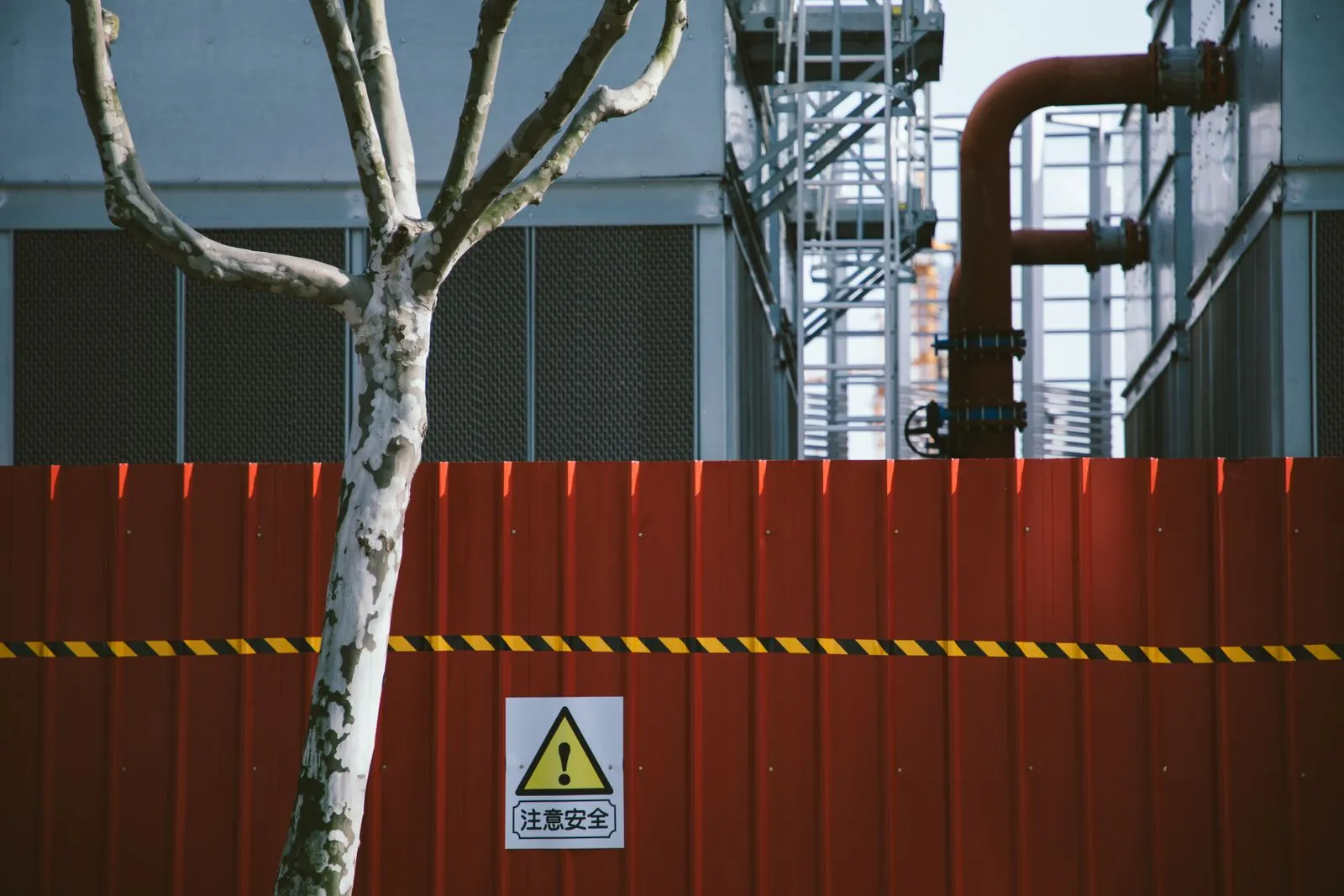
A tree near a planned renovation or building site may be worth preserving, but its survival depends on more than avoiding visible damage to the trunk. Excavation, grading, equipment traffic, and changes to drainage can harm roots that extend beyond the canopy. The best time to address those risks is before plans are finalized. An early assessment can identify which trees are good candidates for protection and help the project team build realistic safeguards into the work.
Assess Trees Before Finalizing Plans
Have a qualified arborist evaluate trees while the project layout is still flexible. The assessment can consider species, condition, age, structural defects, root space, and likely tolerance for construction disturbance. It can also identify trees that already pose safety concerns or are unlikely to withstand major site changes. This information helps owners and designers decide what to preserve, what may need special care, and where removing a tree may be the more responsible option.
Ask for recommendations that connect tree condition to the actual project. A useful assessment identifies likely conflicts with foundations, utilities, access routes, grading, and staging areas. It may also recommend additional review if plans change or excavation reveals unexpected roots. Share the findings with the architect, contractor, and landscape professional early so they can address conflicts before they become expensive changes in the field.
Plan a Realistic Protection Zone
A tree’s root system often extends well beyond the area directly under its branches. Protecting only the trunk leaves roots exposed to soil compaction, cutting, and grade changes. An arborist can recommend a protection zone based on the tree, site conditions, and planned work. Mark that zone clearly on construction drawings and on the ground, and explain its boundaries to every crew working on the property.
Keep equipment, stored materials, temporary buildings, and vehicle traffic outside the marked area whenever possible. Install sturdy barriers before work begins rather than relying on signs or verbal reminders. Do not pile soil or construction debris over roots, attach materials to trunks, or wash concrete equipment near protected trees. If site access makes these precautions difficult, discuss alternatives with the project team before construction starts.
Coordinate Work and Protect Roots
Construction can affect trees without a direct hit. Trenching for utilities, lowering or raising soil, changing drainage, and compacting the ground can all interfere with roots and water movement. Coordinate these activities with the arborist and contractor. Where feasible, adjust routes or methods to avoid major roots. If roots are exposed during excavation, pause work in that area and seek professional guidance rather than cutting them without review.
Protect trees throughout the project, not just during demolition. Keep barriers in place until heavy work is complete, and check them after deliveries, storms, or changes to the site layout. Assign someone on the project team to monitor compliance and report damage quickly. A clear process for asking before work enters the protection zone helps crews make sound decisions when site conditions differ from the plans.
Plan for Recovery and Follow-Up
Even with careful planning, construction stress may appear later. Watch for changes such as thinning foliage, unusual leaf color, dead branches, or reduced growth during the seasons after work. These signs do not identify the cause on their own, so have an arborist inspect the tree before choosing treatments. Avoid applying fertilizer or making major pruning cuts as a default response; the right care depends on the tree and the damage.
Document the tree’s condition before work begins and keep notes about any incidents, root exposure, or changes to site drainage. Follow the arborist’s recommendations for watering, pruning, or monitoring, and confirm who is responsible for each task. If the project scope changes, revisit the protection plan. Timely adjustments can prevent a small conflict from becoming a lasting loss.
A tree has a better chance of remaining part of the property when its condition is assessed early and protection is built into the construction plan. Clear boundaries, coordinated work, and follow-up care give crews practical direction while reducing avoidable harm. For a project in Fort Lauderdale, Canopy Arborist Advisory can help evaluate trees and develop site-specific recommendations before work begins.